Dual Loyalty and "Zionist" as a Proxy for Jews
The claim that Jews are not really loyal to the country they live in, or that "Zionist" is just a coded word for Jew. Old suspicion, new packaging.
Then vs now
Public domain (copy hosted on this site)
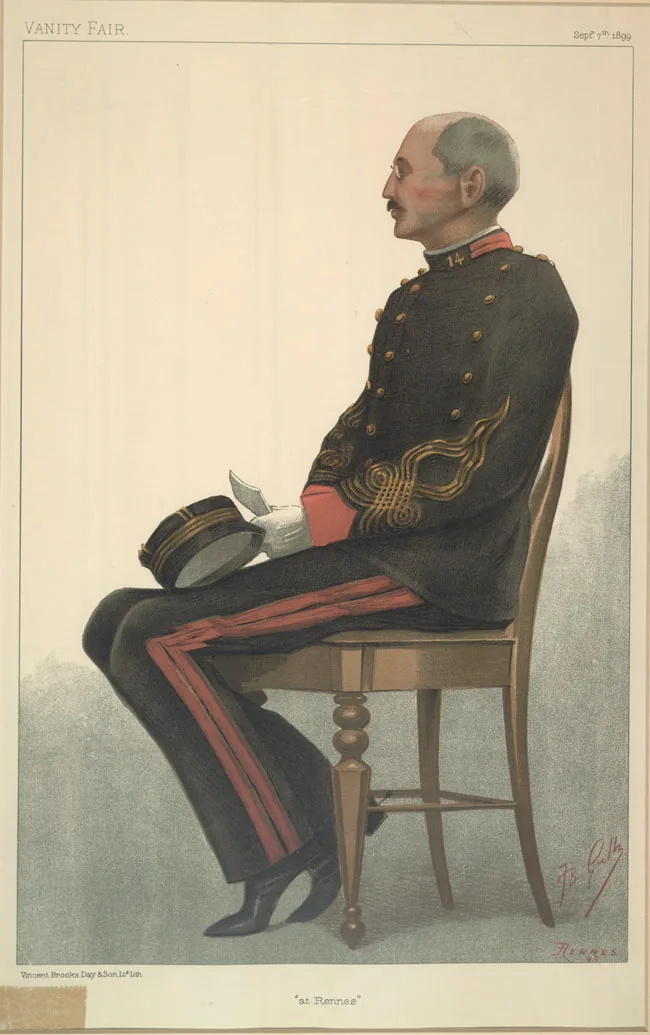
Dreyfus affair
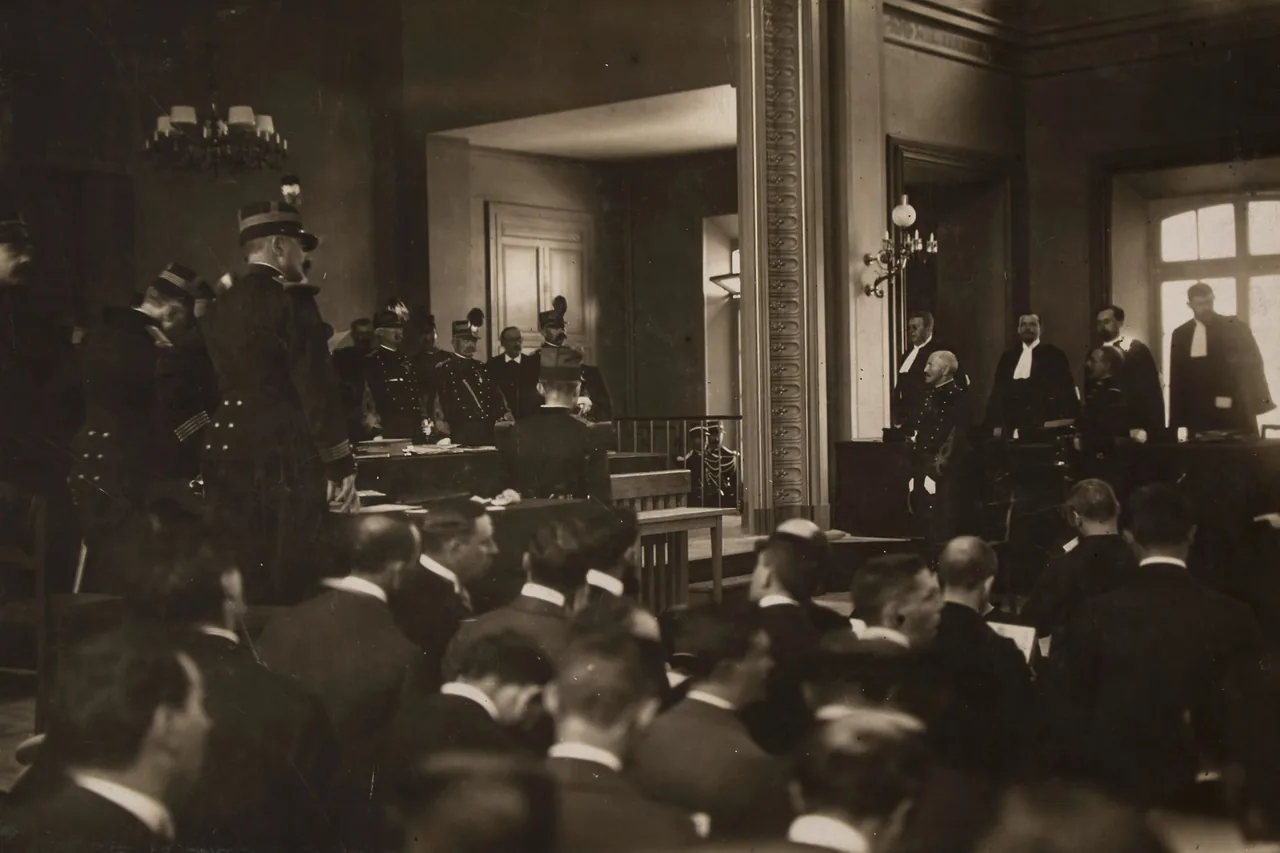
France: Captain Alfred Dreyfus, a Jewish army officer, was wrongly convicted of spying for Germany. Many people assumed a Jewish officer could not be truly loyal to France, evidence aside.
Political discourse
Jewish officials and voters still hear "dual loyalty" smears in elections and when the Middle East is in the news. New names, same old idea: Jewish citizens are treated as suspect.
Where this came from
Dual loyalty means accusing people of secretly caring more about another country or group than about the place where they are citizens. It is a way to say "you do not really belong here." (White House: U.S. national strategy to counter antisemitism (2023))
Long before the modern state of Israel existed (founded in 1948), Jews in Europe were told they were a "state within a state": loyal only to each other, never to the country they lived in. That idea was used to shut Jews out of citizenship, jobs, and rights. (Britannica: Antisemitism)
The classic example is France, 1894. Captain Alfred Dreyfus, a Jewish army officer, was wrongly convicted of spying for Germany. Many people assumed a Jew could not really be French. (Britannica: Dreyfus affair)
After 1948, the same suspicion got a new target: Israel. Today you hear that Jewish citizens are "Israel-first," that synagogues or campus groups are foreign agents, or that "Zionists" (a word that should mean supporters of Israel's national movement, but is often used to mean Jews in general) always serve another country's interests. U.S. civil-rights guidance and many Holocaust-education frameworks note that accusing Jews of greater loyalty to Israel than to their own countries can cross into antisemitism. (United Nations: Holocaust remembrance programme; Britannica: Zionism)
Timeline
Main beats in how this story showed up over time.
1700s to 1800s"State within a state" accusations in Europe
As European nations debated Jewish emancipation, opponents argued that Jews formed a separate nation within each country and could never be truly loyal citizens. This argument was used to deny Jews civil rights across the continent.
1894The Dreyfus affair in France
Captain Alfred Dreyfus, a Jewish French military officer, was falsely convicted of passing military secrets to Germany. The case divided France and exposed the depth of the dual-loyalty assumption: many believed a Jew could not be trusted with national defense.
Sources: Britannica: Dreyfus affair1930s to 1940sNazi propaganda portrays Jews as disloyal aliens
Nazi ideology defined Jews as fundamentally foreign to the German nation, regardless of how long their families had lived in Germany or how they had served in World War I. The dual loyalty charge became a justification for stripping citizenship.
1948-1991Israel, the Soviet Union, and the updated loyalty test
After 1948, Jews in many countries were accused of secretly backing Israel first. Soviet propaganda added insults like "rootless cosmopolitan" and "Zionist agent." The suspicion was about identity, not about any one policy debate.
2023-2025Campus and street rhetoric after October 7
News reporting and campus incident trackers noted cases where "Zionist" was spray-painted on Jewish spaces or used to justify harassment, treating communal identity as foreign allegiance.
Sources: AP News: Antisemitism hub; ADL: Audit of antisemitic incidents (2023)Present"Zionist" as a stand-in for "Jew"
Even when the news cycle is quiet, "Zionist" is still slapped on synagogues, campus Hillel houses, or Jewish students who are not making foreign policy. The word does the work of marking Jews as foreign.
How it appears today
Screenshot saved for teaching; not an endorsement.
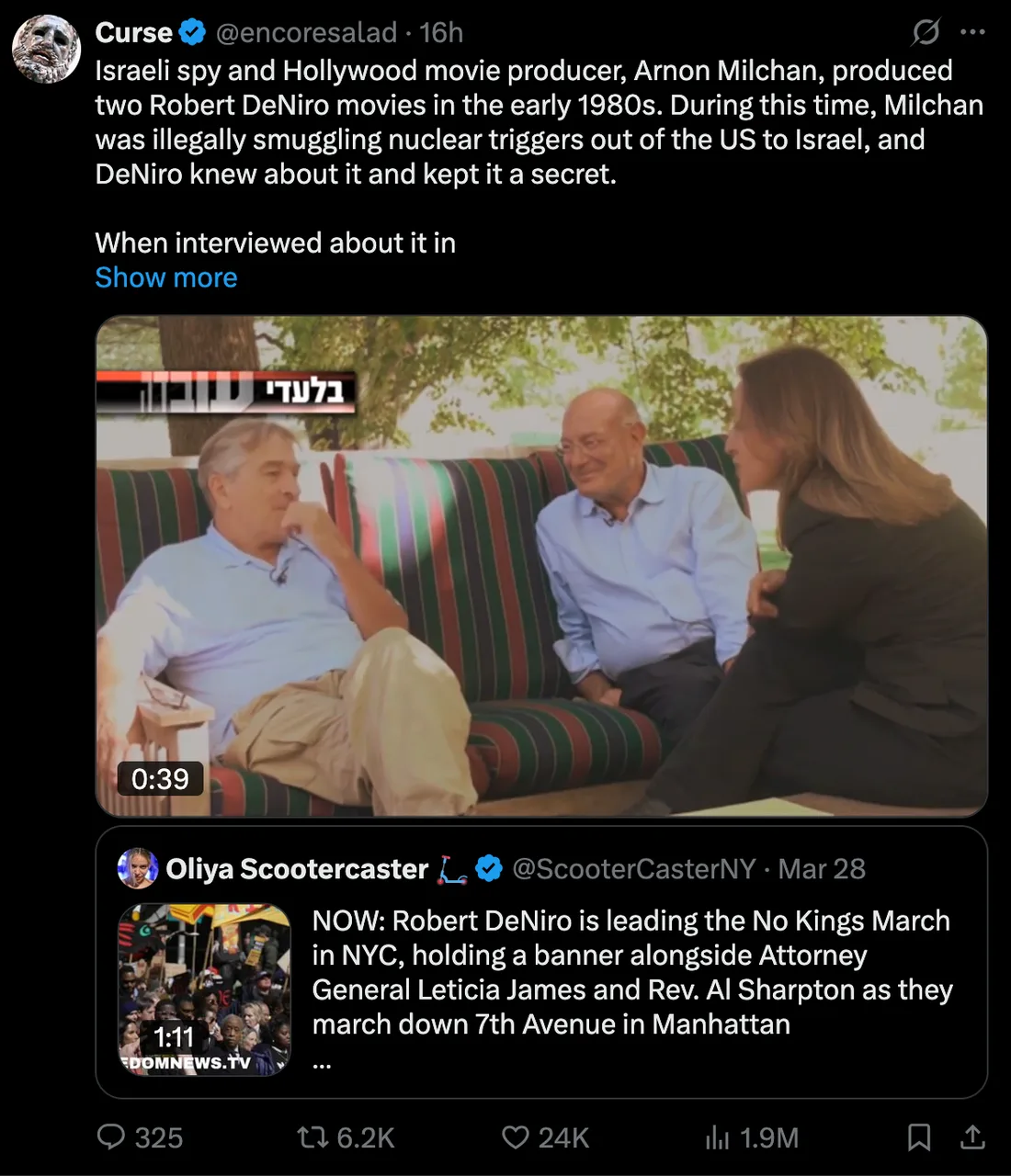
The post treats Hollywood as a front for nuclear smuggling and secret loyalty to a foreign power. That replays old myths that show business is a spy ring against America.
Screenshot saved for teaching; not an endorsement.
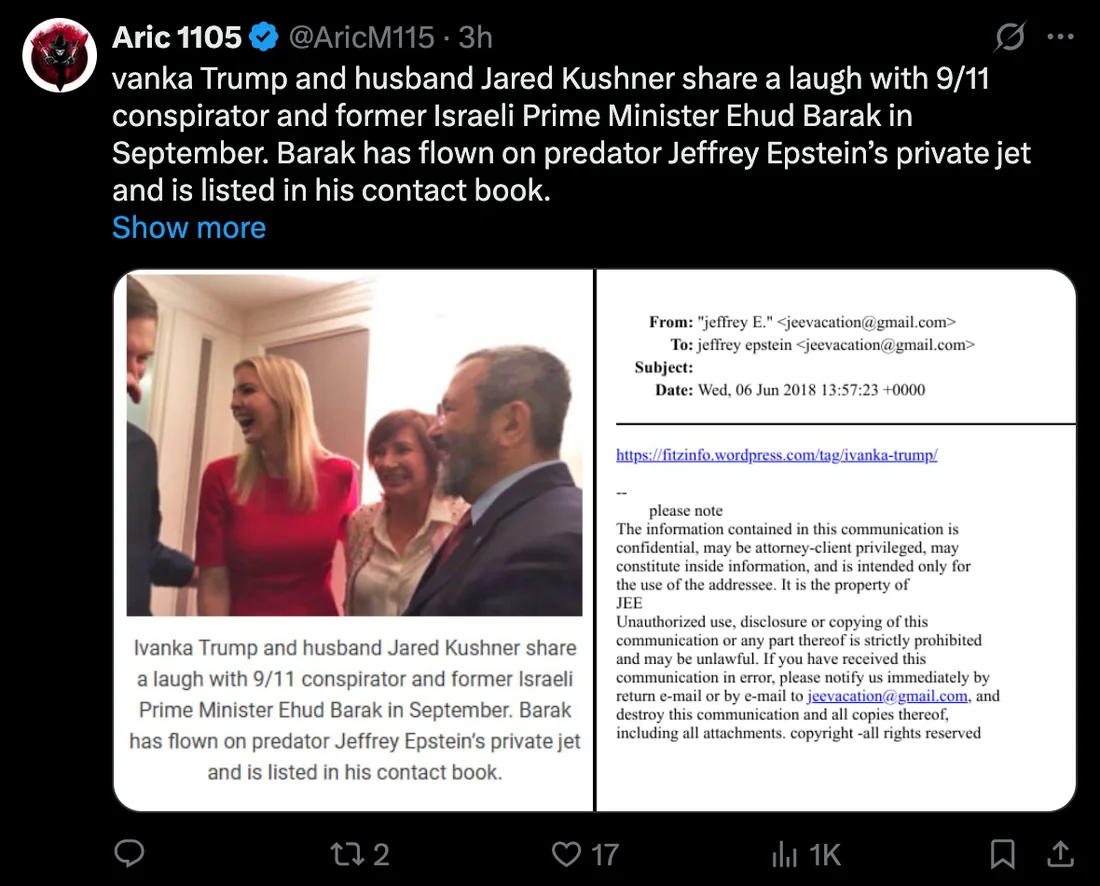
A photo of two people smiling at an event is pasted next to Epstein-related screenshots and blog links to suggest a "9/11 conspirator" cabal. Classic guilt-by-collage.
Warnings to "pay attention to the Zionist synagogues" and targeting of campus Hillel chapters, applying a political label to community and religious institutions that serve ordinary Jewish life.
Accusations that Jewish politicians or public figures have "dual loyalty" or serve Israel's interests rather than their own country's, a charge rarely applied to other ethnic or religious groups with diaspora connections.
Claims that "Zionists" control U.S. foreign policy, where "Zionist" functions identically to how "Jew" was used in older conspiracy frameworks.
Jewish elected officials questioned as if their religion automatically aligns their votes with a foreign government, a line of attack far less common for other diaspora communities.
The U.S. government's antisemitism strategy notes that holding Jewish Americans collectively responsible for Israel's policies can cross into discrimination and hate.
U.S. National Strategy to Counter Antisemitism (White House, 2023)
What the record shows
Criticizing Israel's government is not antisemitic. Israelis argue about their own government every day, and U.S. policy documents draw a line between policy debate and attacks on people for being Jewish. (White House: National strategy to counter antisemitism)
What crosses the line: using "Zionist" to mean "Jew," telling Jewish citizens they cannot really belong to their own country, or treating synagogues and student groups as enemy bases for a foreign power. (Britannica: Zionism)
Policy criticism names laws, leaders, and decisions. Dual-loyalty talk targets people for who they are. Jews, like many diaspora groups, may care about more than one country. That is ordinary life, not treason. (White House: National strategy on antisemitism)
Words like this do not stay online only. Over and over, the same kinds of claims showed up before laws, riots, and violence aimed at Jews. Spotting the repeat pattern is one way to slow it down.
How to spot this pattern
- "Zionist" gets pasted on Jews, synagogues, or clubs that are not making policy. The label is doing the old "you are not really one of us" job.
- Jewish citizens are treated as secretly loyal to Israel because they are Jewish, not because of something specific they did or said.
- Other ethnic groups with ties abroad rarely face the same "prove your loyalty" test.
- Prayer, culture, or a student group is described as if it were a foreign plot.